New Research Alert: This Popular Travel Route Is Becoming Dangerously Congested And Damaged!
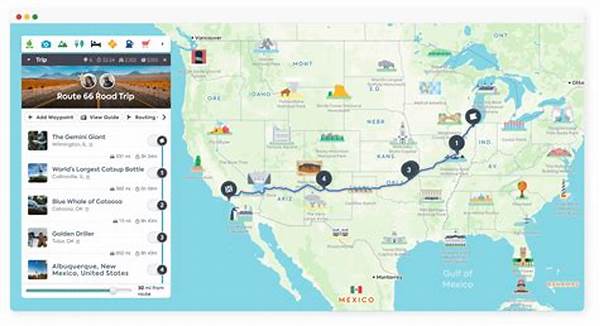
In recent years, travel enthusiasts have been flocking to renowned destinations more than ever before. The lure of adventure, exploration, and immersion in vibrant cultures is irresistible. However, as the volume of travelers surges, certain popular travel routes have begun to face unexpected issues. One of the latest concerns, highlighted by a groundbreaking study, is the perilous congestion and subsequent damage occurring on several acclaimed routes. This revelation serves as a cautionary tale for both globetrotters and the travel industry, urging immediate action to prevent further harm.
Read More : National Parks Adventure Guide
The recent surge in travel can be attributed to a variety of factors — from the allure of social media-induced wanderlust to the growing accessibility of affordable flights. But with increased footfall comes the daunting responsibility of preserving the natural and cultural treasures that define these routes. Unfortunately, some of the most beloved paths are now showing signs of stress under the pressure of constant traffic. New research alert: this popular travel route is becoming dangerously congested and damaged! This phenomenon poses a dual threat: not only is the condition of these routes rapidly deteriorating, but the visitors’ own experiences are being diminished as a result.
In the world of travel, the need for balance between preserving heritage and providing unforgettable experiences is more crucial than ever. The challenges spurred by overcrowding are a stark reminder that unchecked mass tourism can compromise the very essence of exploration. To sustain our cherished travel corridors, it’s imperative for travelers, policymakers, and industry leaders to work in concert. By adopting sustainable practices and seeking innovative solutions, we can transform a potentially damaging trend into a springboard for positive, lasting change.
The Impact and Urgency
It’s not just about the breathtaking views or the exhilarating adventures that travel offers. It’s about respecting and protecting the pathways that allow us to witness these wonders. As new research warns, something must change. The question remains: how can we mitigate the risks and reinforce our commitment to preserving the cultural and physical landscapes around us?
—
Discussion: Addressing the Challenges
The newly released data surrounding popular travel routes highlights a growing concern in the tourism industry. It’s time to dissect what this means for travelers and local communities alike. Let’s dive into a five-paragraph discussion that examines the implications of this research alert and explores potential solutions.
Understanding the Congestion Problem
Imagine the most picturesque travel routes you’ve ever taken. Now picture them clogged with unrelenting waves of tourists, all striving to capture the same iconic photo. New research alert: this popular travel route is becoming dangerously congested and damaged! This imagery, though exaggerated, might not be far from reality, as overwhelming traffic is progressively marring scenic paths. The headache of navigating through throngs of people detracts from the serene beauty that they once knew, reducing these majestic sites to overcrowded chaos.
Congestion doesn’t only affect visitors; it has a profound impact on nearby communities. Residents who have long coexisted with the travel rhythm of their region find themselves grappling with a double-edged sword: the economic benefits of tourism often come at the cost of cultural erosion and widened infrastructure strain. Thus, the symbiotic relationship between travelers and locals demands re-evaluation, emphasizing sustainable tourism practices.
Seeking Innovative Solutions
Addressing this congestion isn’t merely about decreasing the number of visitors but involves more holistic strategies. By promoting lesser-known routes and encouraging off-season travel, we can alleviate pressure on the most frequented locations. Investment in infrastructure and local transport can further distribute the load effectively. New research alert: this popular travel route is becoming dangerously congested and damaged! It must act as an invocation to adapt and innovate.
The Role of Technology
Technological advancements can also play a key role in managing tourism flow. Apps that alert travelers about peak times, suggest alternative routes, and offer real-time updates on site conditions can be game-changers, directing the tourist tide evenly and safeguarding the environment.
Sustainable Practices as a Norm
Finally, travelers themselves must embrace conscious tourism. By making environmentally and culturally sensitive choices, they can reduce their footprint. Simple measures like respecting local customs, choosing eco-friendly accommodations, and minimizing waste can make a significant difference. The collective effort is essential, and new research alert: this popular travel route is becoming dangerously congested and damaged, is a wake-up call steering us toward sustainable solutions.
—
Examples of Congested Travel Routes
Discussion: Balancing Tourism and Conservation
Embarking on a philosophical journey, we find ourselves at a crossroads between exploration and preservation. As travelers venture along well-trodden paths, they must also adopt a mindset of stewardship. This dual responsibility forms the crux of our discussion as we explore how best to achieve equilibrium.
Conscious travel starts with awareness. By educating ourselves about the social and environmental impacts of our voyages, we develop a more profound respect for the places we visit. Simply minimizing waste, conserving resources, and advocating for responsible tourism can have a cascading positive effect.
Concurrently, facilities and attractions must adapt. They can implement visitor caps during peak season, invest in sustainable infrastructure, and foster community involvement. Encouraging direct dialogue between tourists and locals cultivates empathy and understanding, while innovative solutions like virtual tours offer new engagement levels without physical strain.
However, true action requires commitment and collaboration on all fronts—governments, businesses, and individuals alike. Policies must support sustainable practices, and investments in technology can revolutionize the visitor experience. A collective effort ensures that future generations may also explore these captivating routes without jeopardizing their integrity.
As the zeitgeist evolves, we must internalize these lessons, realizing that our travels are not just a journey through space but a voyage of shared stewardship. Our actions today will ensure enriching adventures await tomorrow.
—
Addressing the Overcrowding Dilemma
The Delicate Dance Between Tourism and Sustainability
We’re all wanderers at heart, yearning for new paths and horizons. Yet, with this thirst for adventure comes the sobering realization: new research alert: this popular travel route is becoming dangerously congested and damaged! The dilemma hasn’t merely exposed the fragility of our favorite escape routes but the precarious balance we must maintain.
Inaction is no longer an option. It’s time to pivot from passive worry to active involvement, not just exploring the world but leaving it better than we found it. For each crowded path, there’s a deeper call for sustainable tourism, a movement that beckons us all to revolutionize travel. Through collective effort, we can ensure that the stories of today’s favored routes endure for generations to come.